
Hand Painting VS Machine Print: What Makes Them Different?
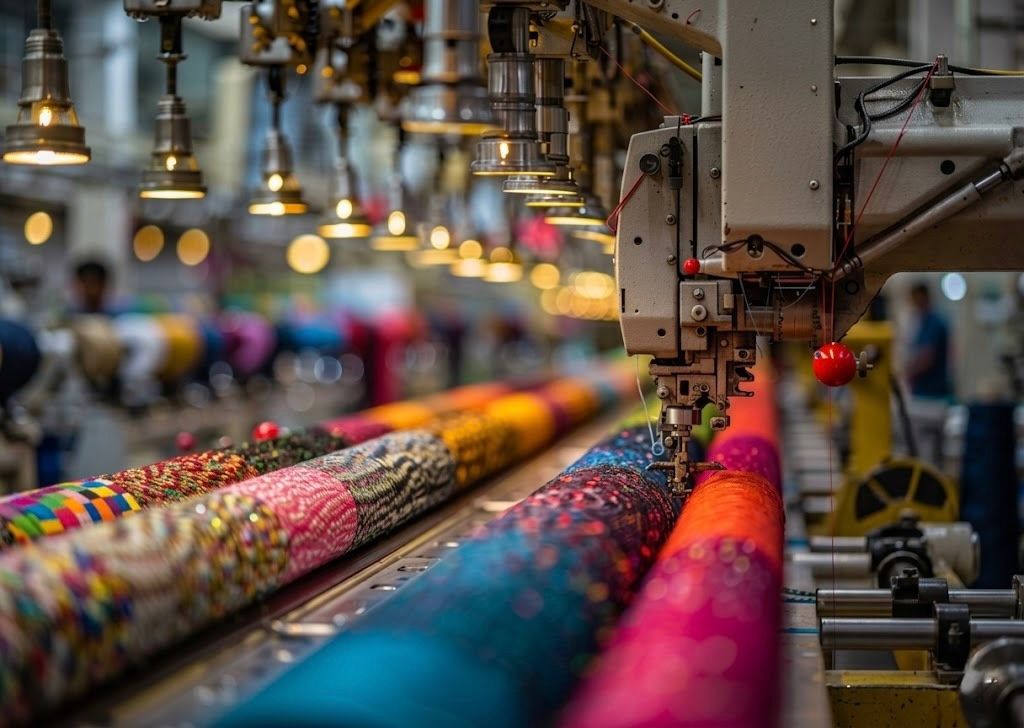
In today’s fast-paced fashion industry, the contrast between hand-painted clothing and machine prints is more relevant than ever. While both serve the purpose of design and decoration, the process, value, and impact of each are vastly different. Machine printing is a mass-production technique that uses advanced technology to replicate designs on a large scale. It is efficient, quick, and cost-effective, making it suitable for fast fashion brands. However, this uniformity often lacks individuality and emotional connection. On the other hand, hand painting is a labor-intensive and creative process. Each garment is carefully crafted by an artist who uses brushes, colors, and techniques to bring a design to life. No two pieces are exactly the same, which makes every product unique and special. One of the most significant differences lies in authenticity. Machine prints are identical copies, whereas hand-painted designs carry slight variations that highlight the human touch. These imperfections are not flaws but signatures of craftsmanship. From a sustainability perspective, hand painting is far more eco-friendly. It usually involves smaller production batches, less waste, and a slower process that aligns with ethical fashion values. Machine printing, especially in large-scale production, often contributes to pollution and overconsumption. Choosing hand-painted clothing is also a way of supporting artisans and encouraging traditional art forms. It reflects a deeper appreciation for creativity and effort, rather than just consumption. In a world dominated by fast fashion, hand-painted garments stand as a symbol of individuality, sustainability, and artistic expression.